


Independent wrestling is fascinating.
It’s a mixture of underground thrill, heartache, pain, grind, competition, and necessity for prospective pro wrestlers looking to master the craft. It’s a sub-culture within itself that cannot be believed unless it’s seen.
Because of the underground nature of indie wrestling, the story of that sub-culture is rarely out in the open. Until now.
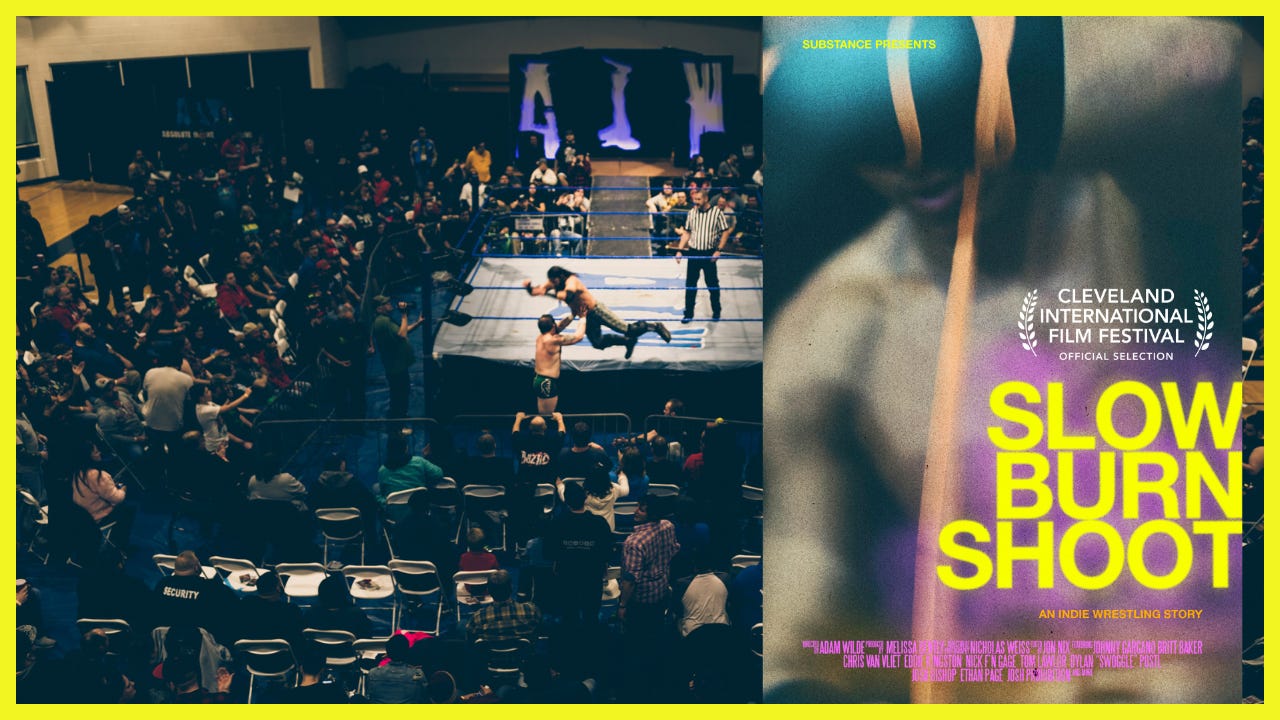
A new film, Slowburn Shoot — An Indie Wrestling Story, pulls the curtain back on independent wrestling and it’s all done through the lens of AIW in Cleveland. In a special interview with Brass Ring Media, Adam Wilde — the film’s director, and John Thorne — the founder of AIW, open up about AIW, what went into making the film, why the story of independent wrestling is important to tell, and so much more.
A special story
“I knew I wanted to do something about indie wrestling as a whole, told through the lens of AIW,” Wilde said. “There are very personal, specific stories in the film, but we tried to focus on a student trying to break in; a WWE guy who got let go and is trying to rediscover his career on the indies; guys who've been on the indies for 20+ years and finally make it; and guys who've been on the indies for 20+ years and watched all their friends make it but never made it themselves. You can plop this story into any indie promotion in any city in the country and it'll relate to everyone. That's why I thought it was special.”
As for Thorne, he was open about the discomfort he felt being a subject of a project like this one. He said he was the harshest critic about the work.
“It's a strange feeling, I'm not going to lie,” Thorne said. “It's an odd thing to walk into a movie theater and watch this kind of personal story play out. It's been a unique experience, to say the least. Adam can tell you I was probably going in as the harshest critic, ready to hate the thing, because it's so uncomfortable when you're the subject of something like this.
“I don't want to give too much away, but it does get rather personal, and it tells a personal story of things that have happened in our small wrestling community. After seeing the finished product, though, I'm very excited about the potential of this film and getting it out to more people, because it really did turn out beyond any expectations I had for it. It's not just a documentary about wrestling. It turned out to be a great film.”
AIW
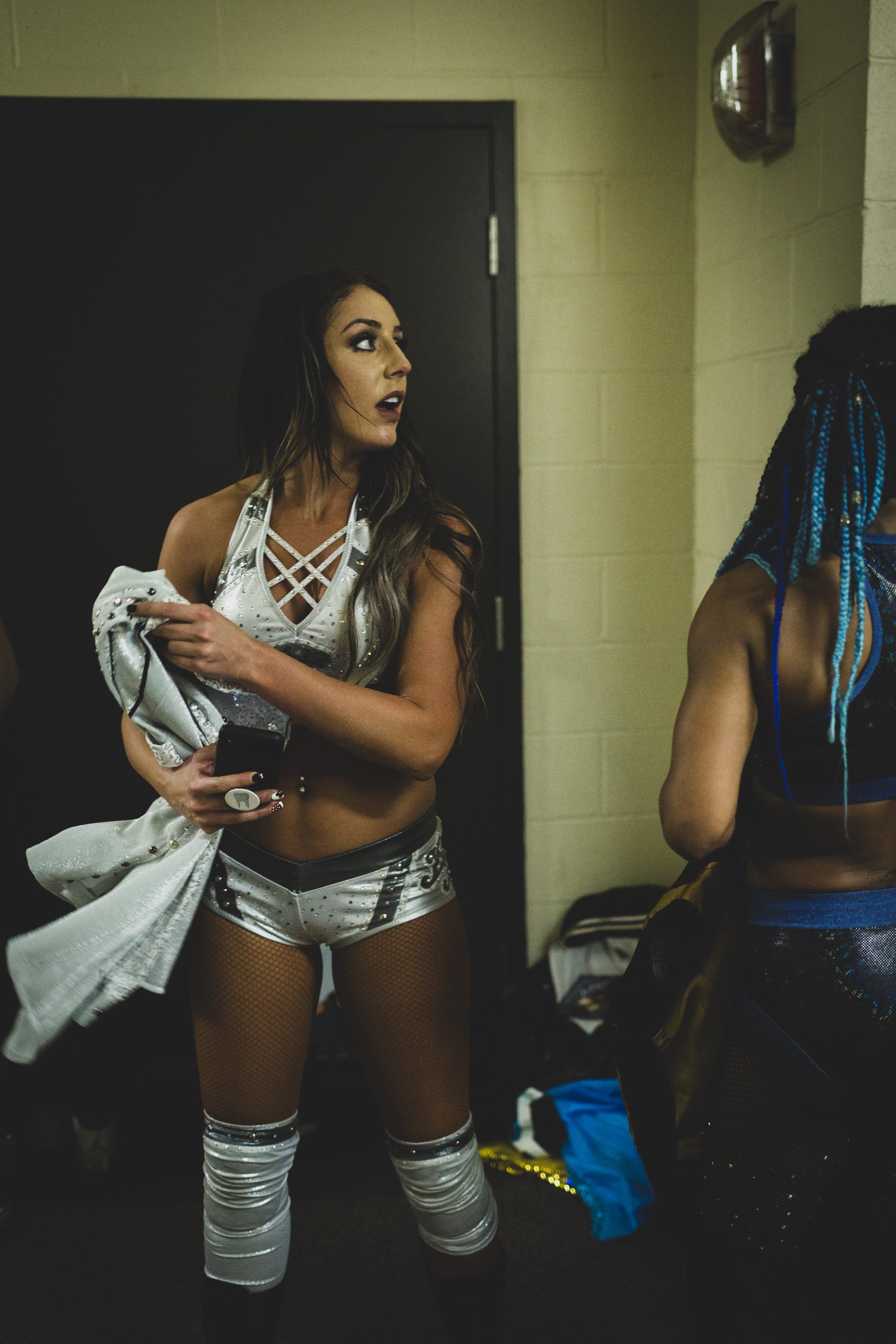
Thorne started working in the pro wrestling business in 1999. In 2005, he started AIW and the rest was history. The promotion became the launching pad for some of the biggest stars in the industry including Johnny Gargano, Britt Baker, Eddie Kingston, and others.
“I got involved in wrestling in a very unconventional way — a way I don't think is even possible in 2026,” Thorne said. “In 1999, when I was 15 years old, I decided I wanted to wrestle in a ring. Wrestling was hugely popular — we were at the height of the Attitude Era. Backyard wrestling was a thing, and all this stuff was popping up in subcultures. I got the phone number of a local promoter named JT Lightning, who ran Cleveland All Pro Wrestling — the Cleveland independent promotion through the '90s and early 2000s. I called him up and said, “I want to rent your ring.” He said, “Three hundred bucks.” I said, “you have to give me a match on your show, too.” He had no idea he was talking to a 15-year-old kid. He just wanted his $300.
“Then in 2005, when I was 21, I saw an opportunity to do this again, and I started AIW. We wanted to run it in concert clubs and cater to 18-to-30-year-olds who wanted to go out, have fun, and experience a different type of wrestling. JT Lightning's Cleveland scene was very traditional — you showed up, you got a wrestling show, you didn't get an atmosphere. We wanted to provide something different.”
Wilde confirmed that he shot over 100 hours of footage for the film. How did he whittle down that treasure trove of content to find the right stories? Exploration.
“I started exploring,” Wilde said about how he managed the hours of footage secured for the project. “Is this about why these guys get into a profession where they beat the hell out of each other? There has to be something a little off with them. The more I explored it, the more they were like, ‘I just loved wrestling as a kid, so I wanted to do it. The first time I got the chance, people clapped, and I felt great about it.’ It was so basic that I was like, alright, I don’t know if that’s the story. So we kept exploring, and we found these different threads.”
The pro wrestler community
What did Wilde learn about pro wrestling while working on the film? The community created between wrestlers. Capturing that sub-culture is where the film expertly succeeds.
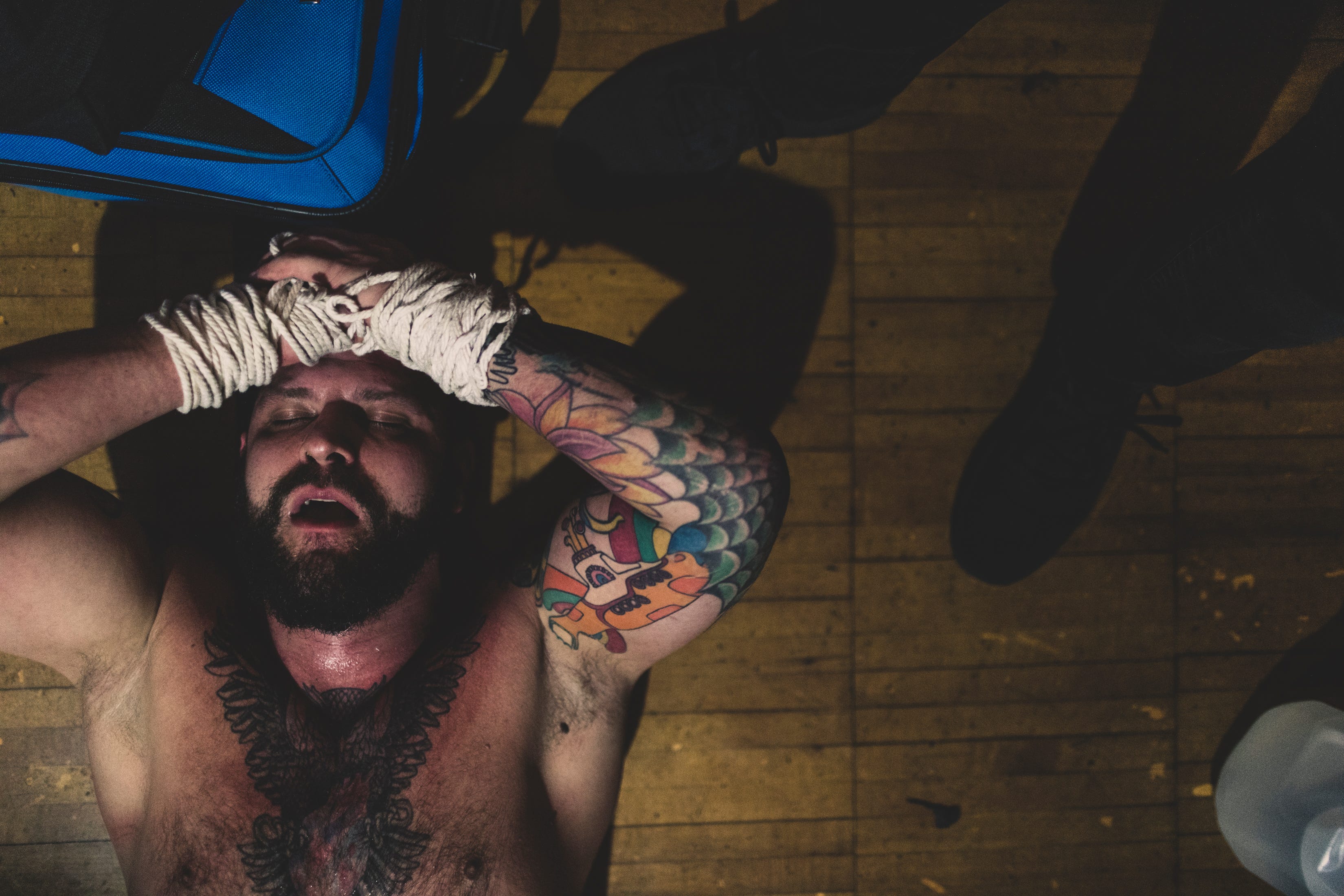
“As much as I thought I knew, I learned a lot more,” Wilde said. “Particularly the community — I didn't expect to see that. You see these guys beating each other up in the ring and you imagine there are friendships in the back, but it's more than that. It's a true community.
“Thorne said it best — I'll steal his words — you have every race, every political belief, every socioeconomic class all in the same cramped backstage locker room and they all get along, support each other, and want to see each other succeed. It's a real community — a microcosm of how the world can exist. It's a special thing.”
Slowburn Shoot — An indie wrestling story, premiered at the Cleveland International Film Festival earlier this year. The plan is for the film to hit a streaming platform this fall. More details about the project are available here.

Subscribe to the Brass Ring Media Newsletter HERE.
Follow Zack Heydorn on Bluesky @zackheydorn.bsky.social.